
Dog and cat boarding at Cleary Lake
At Cleary Lake Veterinary Hospital, we understand how important it is to know your pet is safe, comfortable, and well cared for while you are away. Our boarding services provide a caring, clean, and professional environment for both dogs and cats. Because we are a veterinary hospital, your pet is cared for by a trained veterinary team, giving you added peace of mind during their stay. Our dog boarding area includes a fenced-in dog run, providing dogs with a safe space to get outside, stretch their legs, and enjoy some exercise. Cats have their own exclusive boarding area away from the dogs, providing a quieter, more peaceful environment where they can feel comfortable and relaxed. We follow each pet’s individual feeding instructions and can provide medication administration.
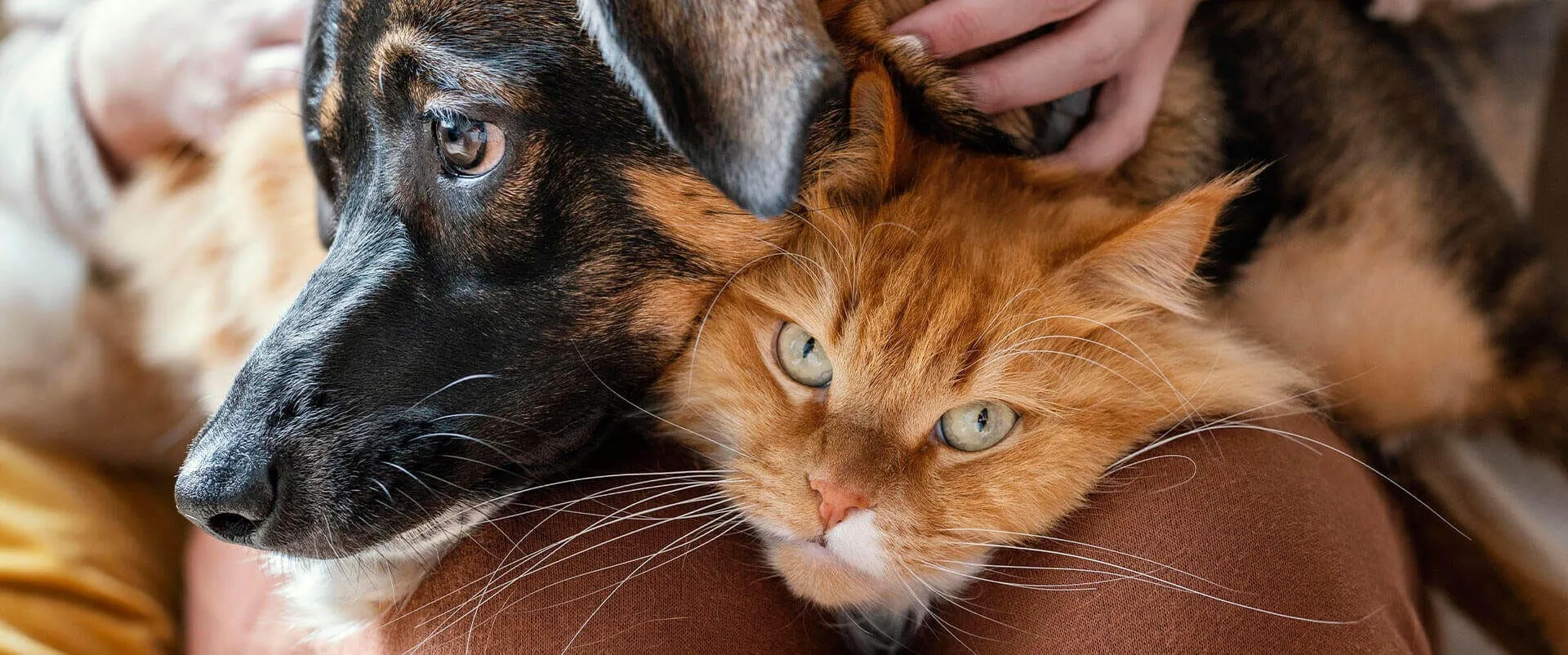
What to expect when your pet stays with us
At drop-off, we go over your pet’s feeding routine, any medications and how they are given, and anything else that helps them feel at home. Bringing your pet’s usual food helps avoid stomach upset from a sudden diet change. Please also let us know about any health concerns or recent changes in behavior.
During their stay, dogs get time outside in our fenced dog run, while cats settle into their own quiet area away from barking and activity. Because your pet is staying in a veterinary hospital, our team is right here if something does not seem right.

Is boarding at a veterinary hospital right for your pet?
Boarding with us can be an especially good fit if your pet:
- Takes daily medication or has a special diet
- Is a senior or has an ongoing health condition
- Is a cat who does best in a calm space away from dogs
- Has a history of getting anxious or not eating well when routines change
Before your pet’s stay, check that their vaccinations and parasite prevention are current. If you are not sure what your pet needs, give us a call and we will help you get ready.
Planning a trip? Reserve your pet’s stay
Call us at (952) 435-8387 to check availability and get your pet’s boarding reservation on the calendar. We are happy to answer any questions before you go.
Boarding - FAQ
Why does my dog need protection against kennel cough before boarding?
Kennel cough is an inflammation of the upper airways caused by several bacteria and viruses, including Bordetella bronchiseptica and canine parainfluenza. It spreads quickly among dogs housed close together, and puppies are more prone to severe illness. Vaccines are available for several of these agents. Please call us to confirm our current requirements before your dog’s stay. Source: Merck Veterinary Manual
Should my dog be vaccinated for canine influenza?
Canine influenza is highly contagious and spreads most easily where dogs are in close contact, such as kennels and dog parks. It travels through coughing and sneezing, shared bowls and leashes, and people’s hands. Most dogs have a mild cough, but some develop pneumonia. A vaccine is available, and we can help you decide if it suits your dog’s lifestyle. Source: Merck Veterinary Manual
What vaccines does my cat need before boarding?
Core vaccines recommended for nearly all cats protect against panleukopenia, feline herpesvirus, calicivirus and rabies, and feline leukemia is considered core for young cats. Other vaccines, such as Bordetella, are chosen based on your cat’s exposure risk. Please call us to confirm what your cat needs before their stay. Source: Cornell Feline Health Center
Why do you keep cats separate from dogs?
Many cats find barking and busy surroundings stressful, and stress matters for their health. Cats that carry feline herpesvirus can shed the virus and have flare-ups of eye or respiratory signs when stressed. Respiratory infections also spread more easily in crowded settings. Our cat-only boarding area gives your cat a quieter place to relax during their stay. Source: Cornell Feline Health Center
Does my dog need to be on parasite prevention before boarding?
Keeping your dog on year-round heartworm prevention is recommended, and many heartworm products also control intestinal parasites like roundworms and hookworms. A yearly fecal test helps catch intestinal parasites, some of which can spread to people. If your dog is due for testing or prevention, we can take care of it before their stay. Source: Merck Veterinary Manual


