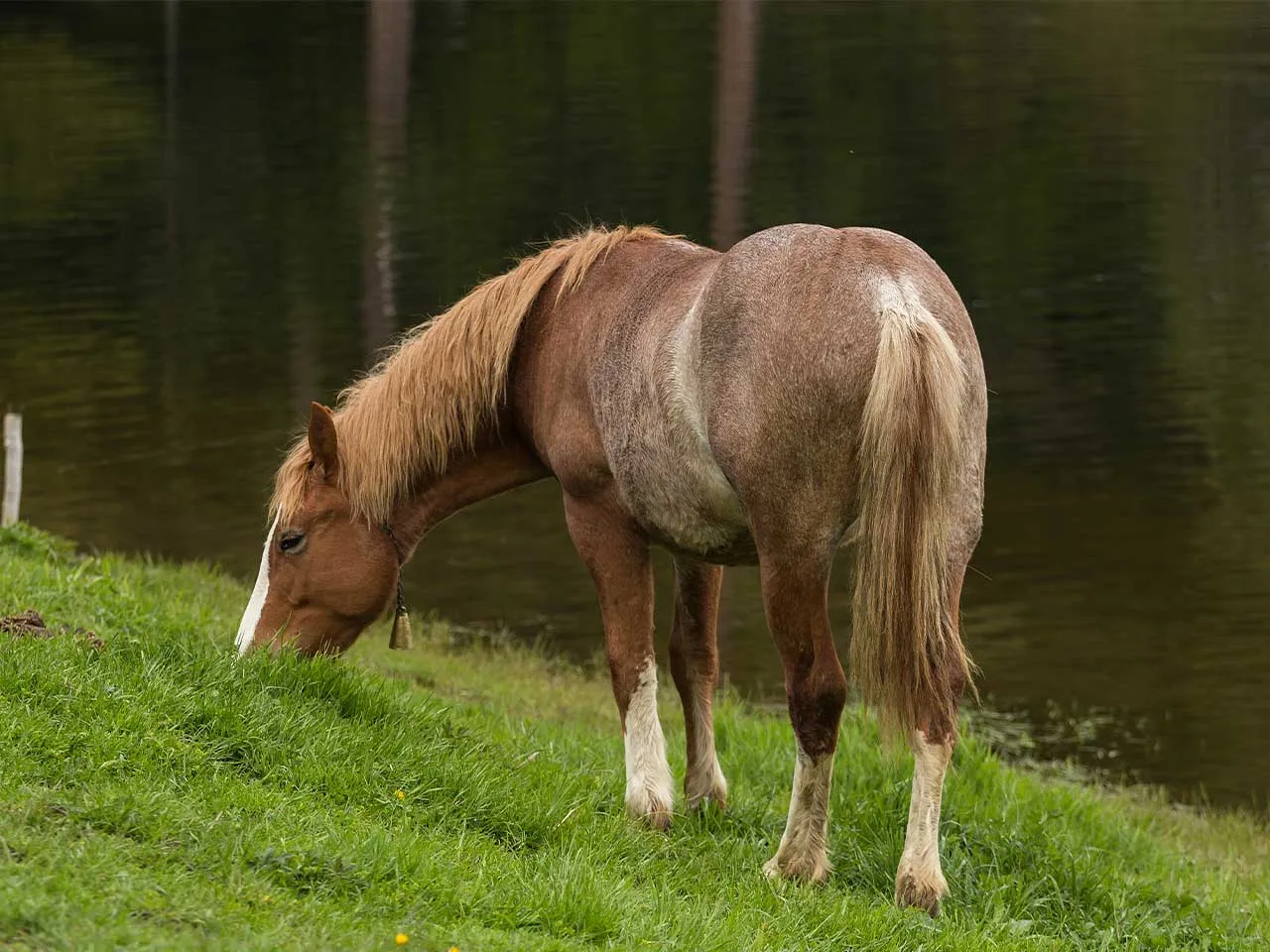
Equine dermatology at Cleary Lake
Equine Dermatology at Cleary Lake Veterinary Hospital focuses on diagnosing and treating conditions affecting your horse’s skin, coat, and hair. Our veterinarians evaluate concerns such as itching, hair loss, skin infections, allergies, hives, rain rot, sarcoids, wounds, and other skin abnormalities. Diagnostic testing may be recommended to help determine the underlying cause, allowing us to develop an individualized treatment and management plan to keep your horse’s skin healthy and comfortable.
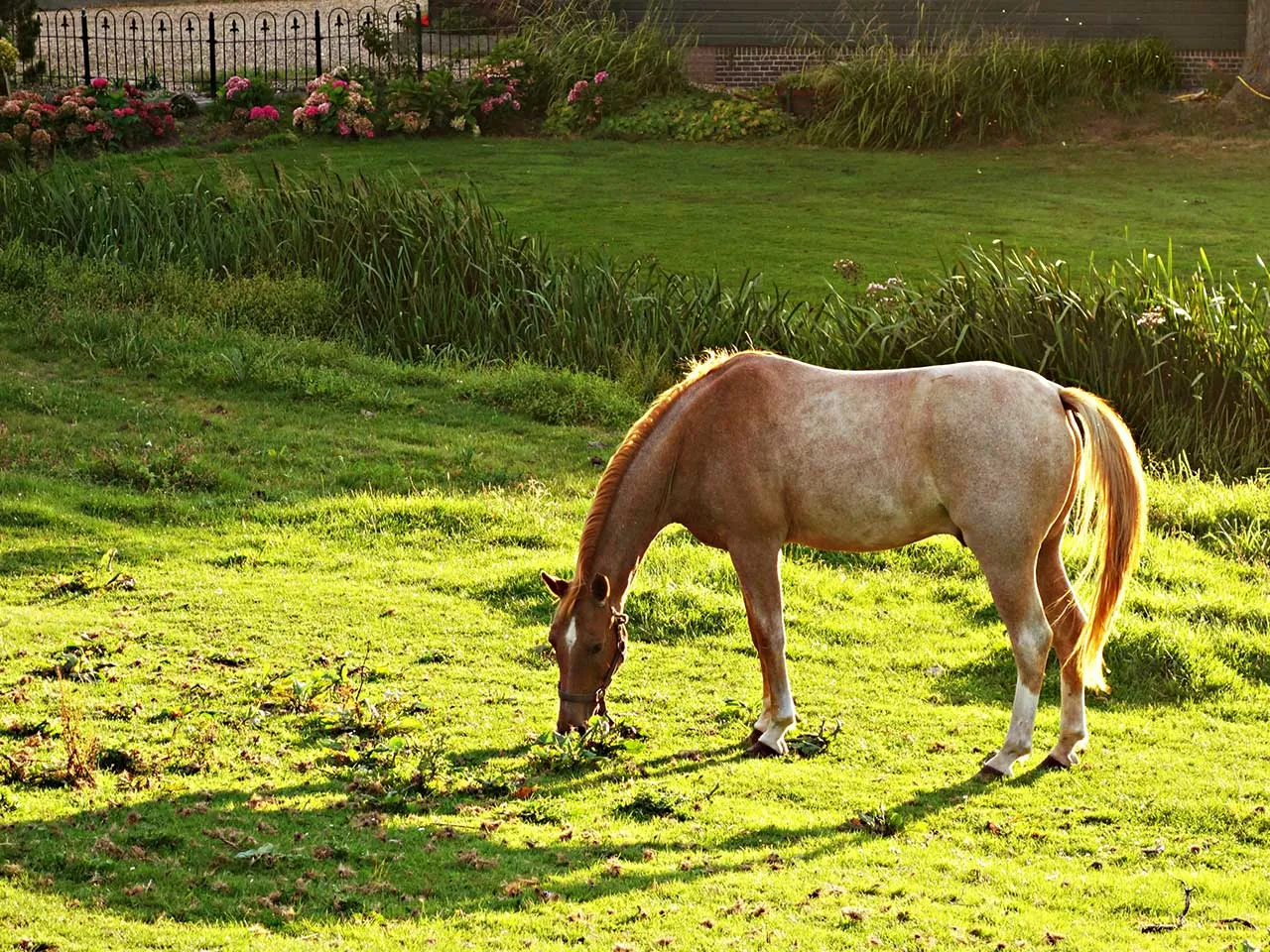
What to expect when we examine your horse's skin
We'll start with questions about when the problem began, whether it changes with the seasons, how your horse is fed and housed, and whether other horses in the barn are affected. Your veterinarian will then examine your horse's skin and coat closely.
Depending on what we find, testing may include skin scrapings, hair samples, cultures or a biopsy. Once we know the likely cause, we'll build a treatment and management plan with you, which may include medicated baths, medication, insect control or changes to your horse's environment.

When to have your horse's skin checked
Give us a call if you notice:
- Itching, rubbing or a rubbed-out mane or tail
- Patchy hair loss, scabs or crusts
- Raised welts or hives that appear suddenly
- A new lump, wart-like growth or a wound that won't heal
- Skin problems that come back every summer
Some skin conditions spread between horses, and a few, such as ringworm and rain rot, can spread to people, so it's worth having changes checked early.
Get help for your horse's skin problem
If your horse is itchy, losing hair or has a lump or wound that worries you, call us at (952) 435-8387 to schedule an exam.
Equine Dermatology - FAQ
What is rain rot, and how is it treated?
Rain rot (dermatophilosis) is a skin infection that flares up in wet, warm, humid conditions, causing scabs, crusts and matted hair, often along the back. Treatment may include antibiotics, gently soaking and removing scabs, antibacterial shampoo and sometimes clipping. Getting your horse out of the wet is key, and most cases clear in two to three weeks. Source: Merck Veterinary Manual
What is a sarcoid?
Sarcoids are the most commonly recognized skin tumor in horses. They can look like small, wart-like spots or large, ulcerated growths and often appear on the face, inner thighs, trunk or old injury sites. They rarely spread to distant parts of the body but can invade locally. Treatment options include surgical or laser removal, freezing and local chemotherapy. Source: Merck Veterinary Manual
Why does my horse suddenly have hives?
Hives are raised, round welts that can appear within minutes to hours of exposure to a trigger. The most common causes in horses are insect bites or stings, medications and allergens. Most hives fade within a few hours, but if they keep coming back, finding and avoiding the trigger is the best way to prevent new outbreaks. Source: Merck Veterinary Manual
Why is my horse so itchy every summer?
Summer itching is often caused by an allergy to insect bites, commonly called sweet itch, triggered mainly by tiny night-feeding Culicoides midges. Affected horses develop intensely itchy patches along the back from the ears to the tail. Management focuses on protecting your horse from bites, removing fly breeding sites, using fans and medication to control the itch. Source: Merck Veterinary Manual
Is ringworm in horses contagious?
Yes. Ringworm is a fungal infection that causes round, bald, scaly patches, often around the girth and saddle area. It spreads through direct contact and shared stalls, tack and grooming tools, and some types can spread to people. A fungal culture of hairs and scrapings is the most accurate way to confirm it, so call us if you see suspicious patches. Source: Merck Veterinary Manual


