Equine examinations at Cleary Lake
Equine Examinations at Cleary Lake Veterinary Hospital provide comprehensive veterinary evaluations to help maintain your horse’s health, performance, and quality of life. Our veterinarians offer routine wellness examinations, pre-purchase and pre-lease examinations, insurance examinations, lameness and performance evaluations, health certificates, and illness or injury examinations. Each examination is tailored to your horse’s individual needs and may include diagnostic testing when indicated. Regular veterinary examinations help identify potential health concerns early and provide an opportunity to develop a personalized wellness and preventive care plan.
What happens during your horse’s exam
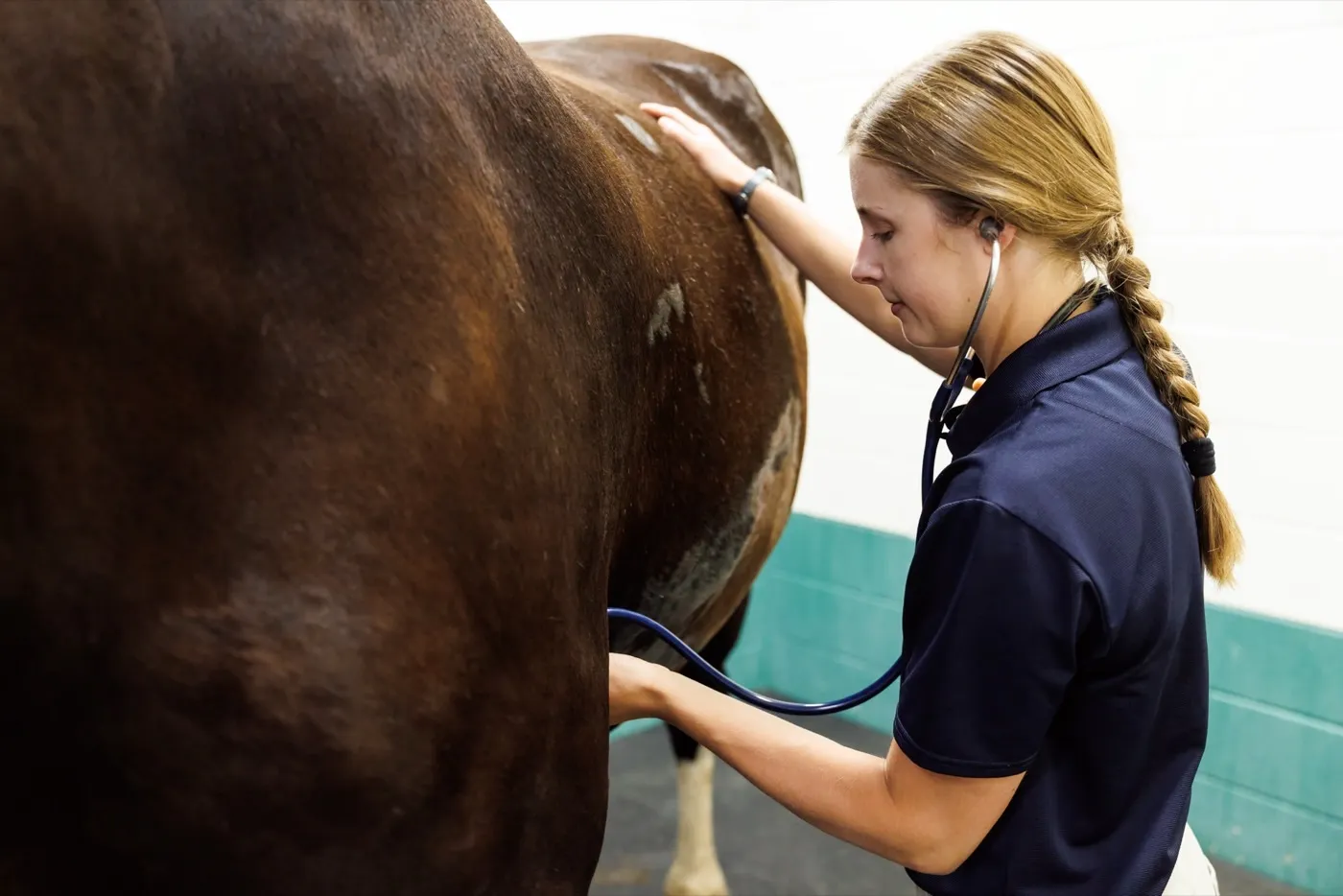
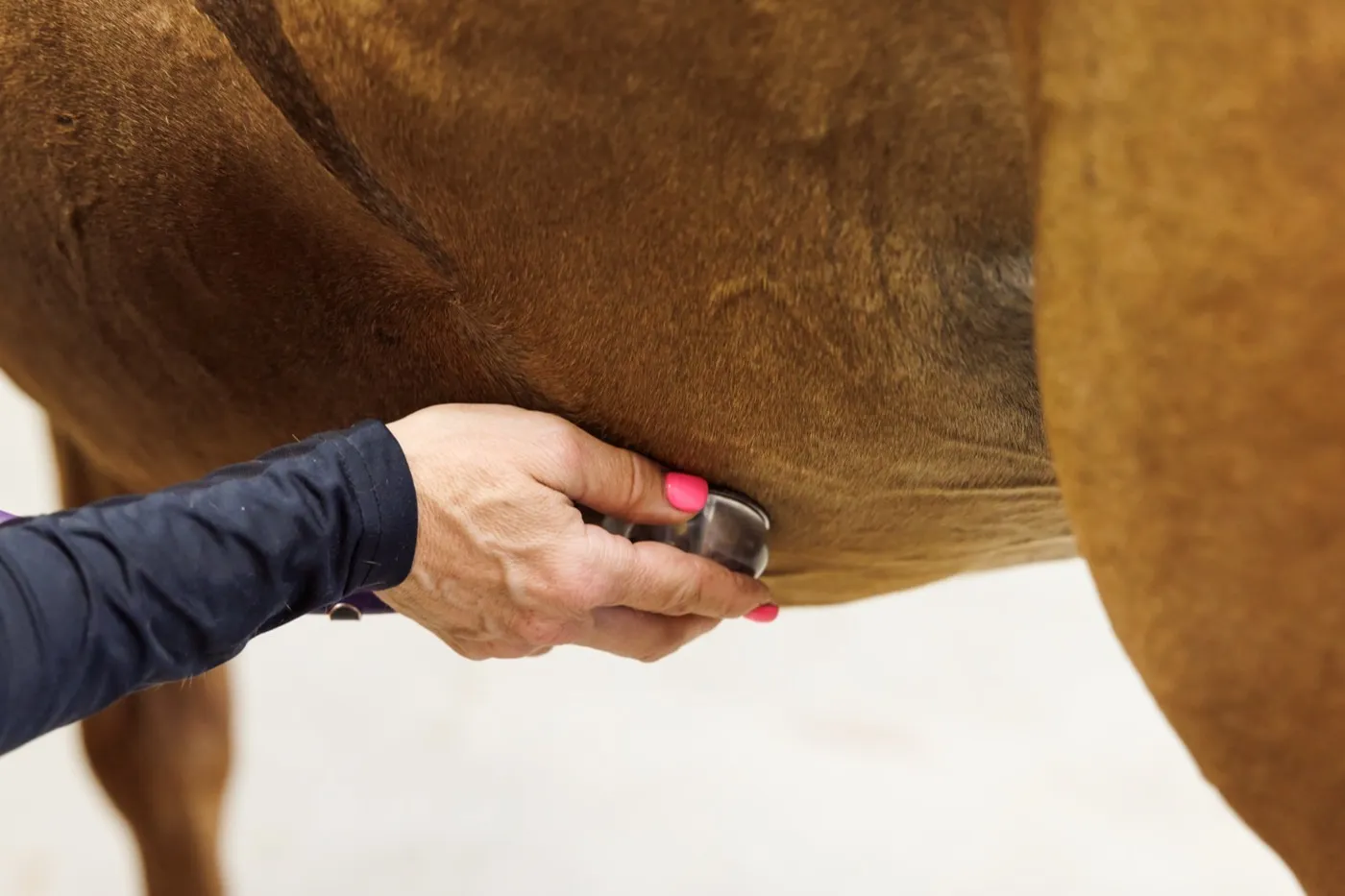
A typical exam starts with a conversation about your horse’s history, diet, workload and any changes you have noticed. Your veterinarian then checks body condition, takes temperature, pulse and respiration, listens to the heart, lungs and gut, and looks over the eyes, skin, coat, hooves and teeth. For lameness or performance concerns, your horse may also be watched moving in hand and on a circle.
If anything needs a closer look, your veterinarian will explain the options, such as bloodwork or imaging, before going ahead.
Which exam does your horse need?
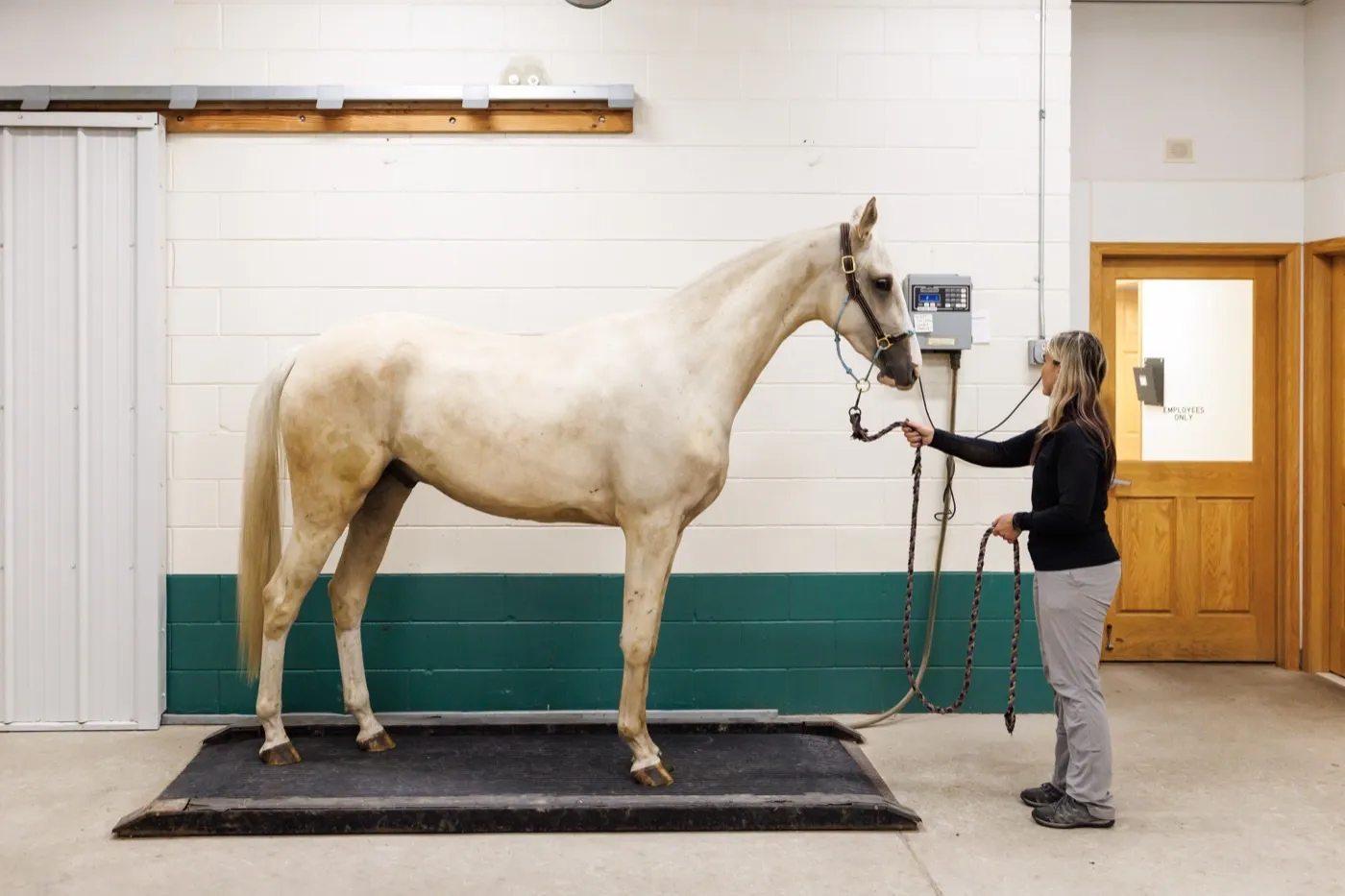
- Wellness exam: at least once a year to plan vaccines, parasite control and dental care
- Pre-purchase or pre-lease exam: before you commit to a horse
- Insurance exam: when a new or renewing policy requires one
- Lameness or performance evaluation: when your horse is off, stiff or not working as well as usual
- Health certificate: before travel, shows or a sale
- Illness or injury exam: whenever something does not seem right
Schedule your horse’s next exam
Call (952) 435-8387 to book a wellness visit, pre-purchase exam or health certificate. If your horse is sick or injured, our equine emergency service is available 24 hours a day, 365 days a year.
Examinations - FAQ
Which vaccines does my horse need?
The AAEP recommends core vaccines for all horses. These protect against diseases that are widespread, severe, a public health concern or required by law. Risk-based vaccines are added depending on your horse’s age, travel, housing and region. Every vaccination program should be developed with a licensed veterinarian, which is a good use of your wellness visit. Source: American Association of Equine Practitioners
What is included in a pre-purchase exam?
A pre-purchase exam is tailored to your goals for the horse. It commonly includes a review of previous medical records, a full physical exam and a lameness evaluation, and may include bloodwork and diagnostic imaging such as radiographs, ultrasound or endoscopy if indicated. Ideally both the buyer and the current owner attend. Source: Clemson University
Does a pre-purchase exam guarantee the horse is sound?
No. A pre-purchase exam is a snapshot of the horse’s health on the day it is examined, and some medical and musculoskeletal conditions are difficult to detect. It is not a guarantee of future soundness, and it does not assess temperament, value or suitability for a particular rider. The decision to buy remains yours. Source: American Association of Equine Practitioners
What happens during a lameness evaluation?
Your veterinarian reviews your horse’s history, then looks at and feels the limbs for heat, pain and swelling, checks the hooves with hoof testers, and examines the back and neck. Your horse is watched at the walk and trot and on a circle, and sometimes under saddle. Joint flexions, nerve blocks and imaging help pinpoint the source if needed. Source: Merck Veterinary Manual
Does my horse need a health certificate to come into Minnesota?
Usually. Horses imported into Minnesota generally need a certificate of veterinary inspection from an accredited veterinarian, listing official identification and the date of a negative equine infectious anemia (Coggins) test done within the past 12 months. There are a few exemptions, such as horses coming in for veterinary treatment. Other states set their own rules. Source: Minnesota Administrative Rules (Board of Animal Health)


