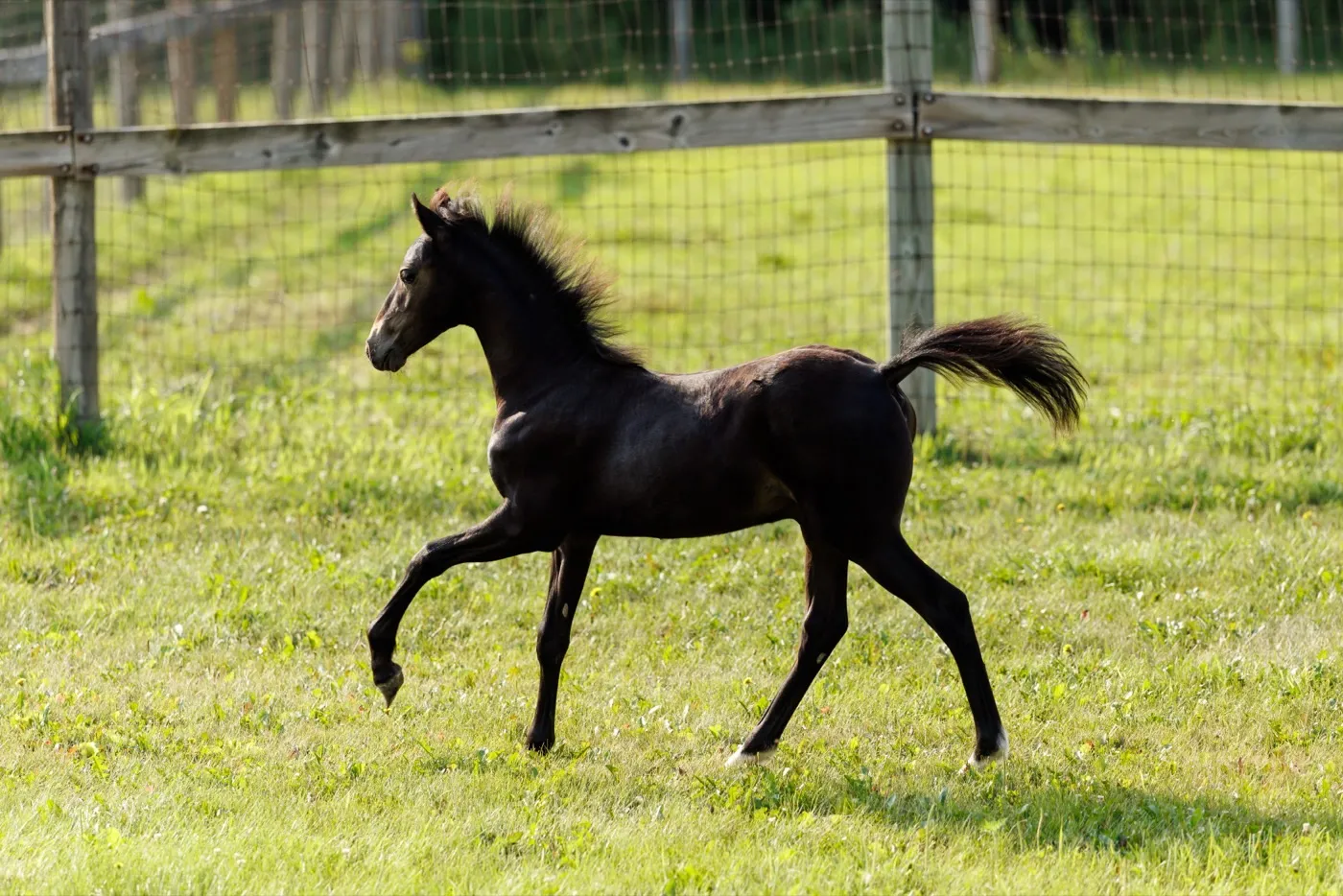
Foaling services at Cleary Lake
Equine Foaling Services at Cleary Lake Veterinary Hospital provide comprehensive support for mares and foals before, during, and after delivery. Our veterinarians offer pre-foaling evaluations, reproductive monitoring, foaling assistance, and emergency care for dystocia. We also provide care for newborn foals, including post-foaling examinations and evaluation of the mare and foal to help ensure a healthy start.
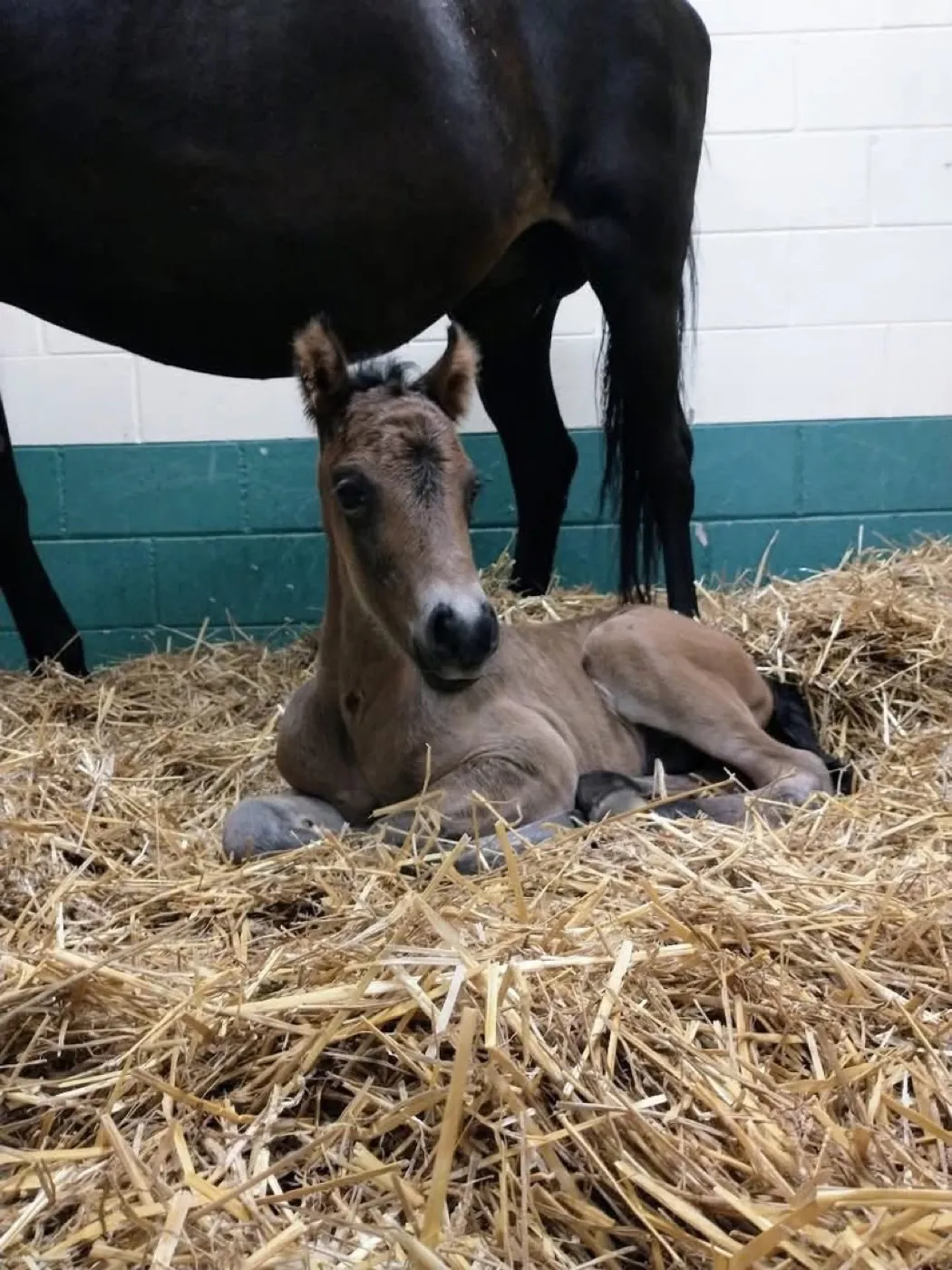
What to expect from foaling care
Care begins well before your mare’s due date with a pre-foaling evaluation. Your veterinarian checks her overall health and condition and talks with you about vaccinations, nutrition and the signs to watch for as foaling gets closer. Monitoring through late pregnancy helps catch problems early.
Many mares foal without help, but delivery can change quickly. If labor stalls or the foal is not positioned correctly, call us right away. After the birth, your veterinarian examines the mare, the foal and the placenta to make sure everyone is off to a healthy start.
Is your mare ready for foaling season?
Foaling support is worth planning for if you are expecting a foal, especially if:
- This is your first foaling or your mare’s first foal
- Your mare has had a difficult delivery or a retained placenta before
- Your mare is older or has other health concerns
- You want help preparing a clean, safe foaling area
Having a plan in place, including who to call at any hour, takes much of the stress out of the big night.
Expecting a foal this season?
Call (952) 435-8387 to schedule a pre-foaling evaluation. If your mare runs into trouble during delivery, our equine emergency service is available 24 hours a day, 365 days a year.
Foaling Services - FAQ
Does my pregnant mare need vaccines?
Yes, vaccination is an important part of caring for a pregnant mare. The AAEP’s vaccination guidelines include recommendations specific to broodmares before foaling, including for equine herpesvirus (EHV), along with guidance on which vaccines are safe during pregnancy. Your veterinarian will build a schedule around your mare’s due date and history. Source: American Association of Equine Practitioners
What are the signs my mare is close to foaling?
The udder usually starts to fill two to four weeks before foaling. In the last several days, the teats fill out, and waxy beads often appear on the teat ends one to four days before delivery. You may also see dripping milk, softening of the muscles around the tailhead and a relaxed, lengthened vulva. Every mare is a little different. Source: N.C. Cooperative Extension
When should I call the veterinarian during foaling?
Call right away if there is no clear progress within 10 to 15 minutes of the water breaking, if the foal is not delivered within 30 minutes, or if a red, velvety bag appears instead of a pale white one. A red bag means the placenta has separated early and the foal needs to be delivered immediately. Call too if the placenta has not passed within three hours. Source: Merck Veterinary Manual
What should a newborn foal do in the first few hours?
A healthy foal usually stands within the first hour and nurses within about two hours. That first milk, colostrum, is critical because it gives the foal its early immunity. The foal should also pass its first manure, called meconium, within several hours. A post-foaling exam of both mare and foal 12 to 24 hours after birth is recommended. Source: Penn State Extension
How long is a mare pregnant?
A mare’s pregnancy averages about 340 days, or roughly 11 months, though normal foaling dates vary. Plan to move your mare to where she will foal at least four weeks before her due date. This gives her time to build antibodies to local germs, which she passes to her foal through colostrum. Source: Merck Veterinary Manual


