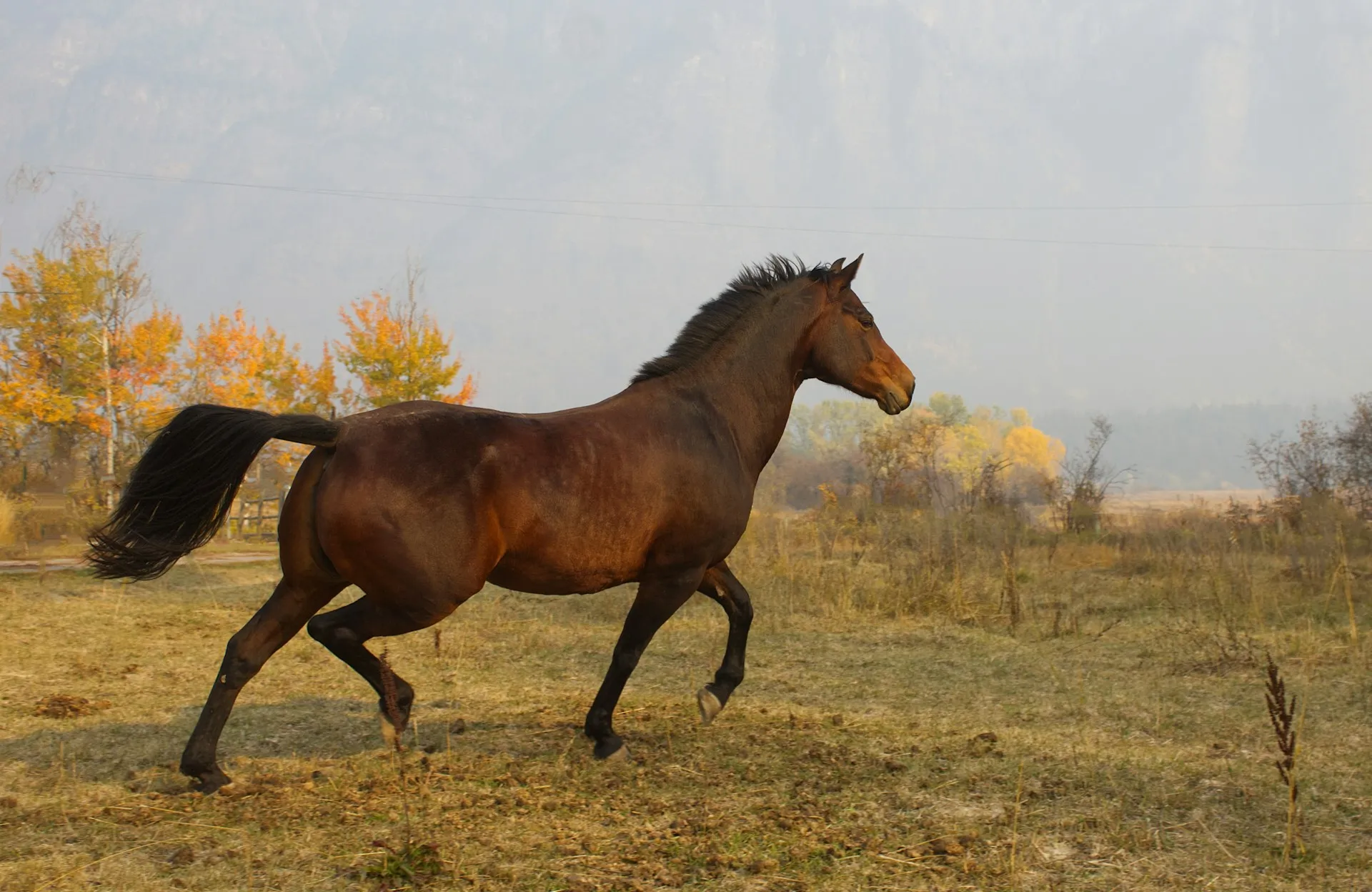
What is IRAP therapy?
IRAP stands for interleukin-1 receptor antagonist protein. It is a therapy made from your horse’s own blood, also known as autologous conditioned serum. Interleukin-1 is an inflammatory protein that builds up in arthritic joints and contributes to the breakdown of cartilage. IRAP works by raising the level of a natural protein that blocks interleukin-1 from attaching to its receptors in the joint, helping interrupt the cycle of inflammation.
To make it, a blood sample is incubated for about 24 hours in a special system that stimulates white blood cells to produce anti-inflammatory proteins. The serum is then separated, stored frozen and injected into the affected joint, usually as a short series of treatments. Cleary Lake Veterinary Hospital offers IRAP as part of equine joint care.
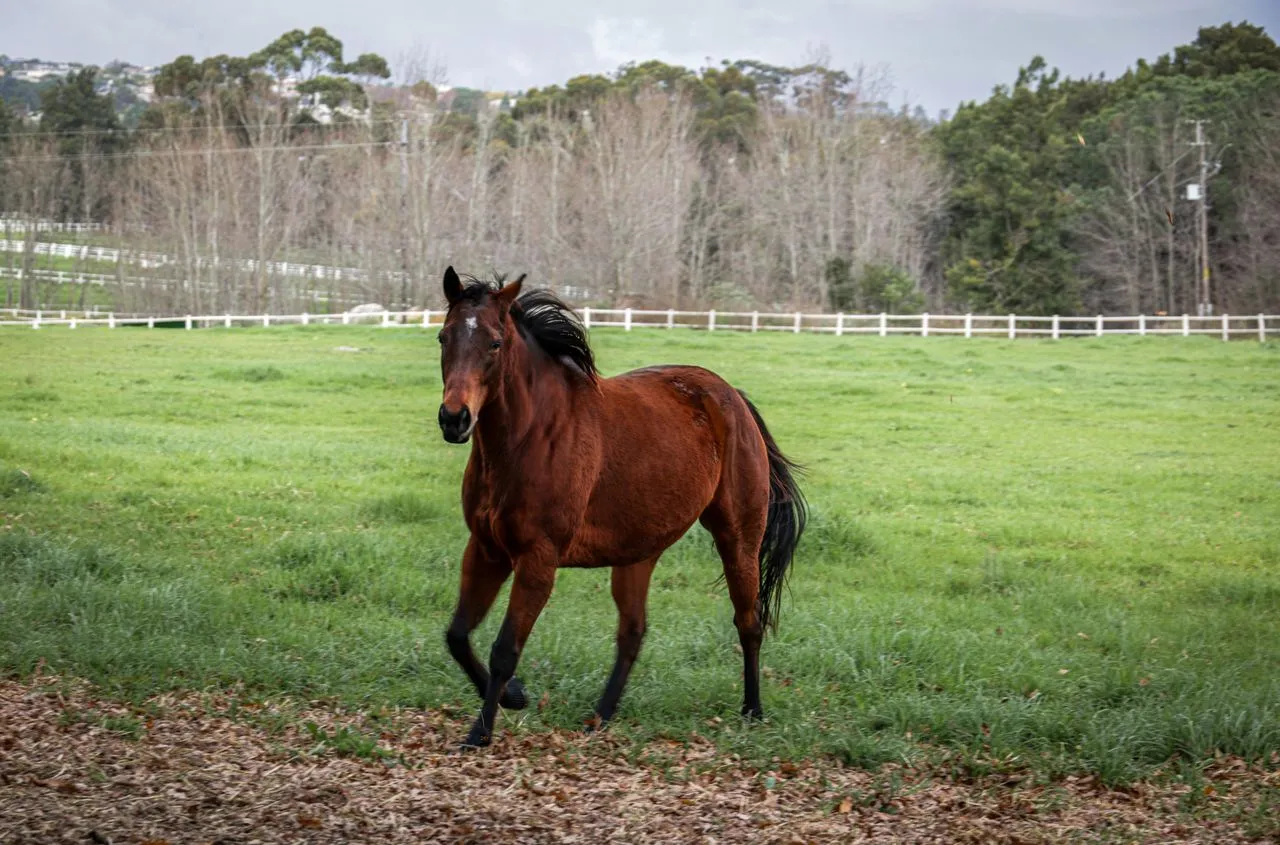
What to expect with IRAP treatment
IRAP starts with a lameness evaluation to confirm where your horse is sore and whether a joint is the source. If IRAP is a good fit, your veterinarian draws a blood sample, which is processed and incubated before the serum is collected. The serum is divided into doses and kept frozen until each treatment.
Each treatment is a joint injection given under sterile conditions. Treatments are typically spaced one to two weeks apart, and your veterinarian will give you a plan for rest, exercise and rechecks along the way.

Could IRAP help your horse?
IRAP is most often considered for horses with:
- Mild to moderate osteoarthritis
- Joint inflammation, such as synovitis or capsulitis
- Joint problems that have not responded well to steroid injections
Because it is made from your horse’s own blood, IRAP may appeal to owners looking for a biologic option. It is not right for every horse, and research on how well it works is still growing, so your veterinarian will help you weigh it against other joint treatments.
Wondering if IRAP is an option for your horse?
Call (952) 435-8387 to schedule a lameness evaluation and talk through joint therapy options with our equine team.
IRAP - FAQ
How many IRAP injections will my horse need?
IRAP is usually given as a series. A typical schedule is one injection every 7 to 14 days for a total of 2 to 5 treatments, depending on the condition being treated. It is used for moderate osteoarthritis, synovitis or capsulitis, and for horses that have not responded to joint injections of corticosteroids. Source: American College of Veterinary Surgeons
How is IRAP made?
Your horse’s blood is processed in a system containing glass beads. White blood cells called monocytes attach to the beads and are incubated for 24 hours, which stimulates them to produce anti-inflammatory and regenerative proteins, including the interleukin-1 receptor antagonist. No drugs are added. The serum is then collected for injection. Source: Arthrex Vet Systems
Is IRAP safe?
Side effects appear to be uncommon. In a review of clinical studies covering 344 treated horses, about 1.5% had a reaction, mainly local pain and warmth starting a few hours after injection and lasting up to three days. The same review notes that more well-controlled research is needed to confirm how effective IRAP is. Source: Veterinary Sciences (via NIH PubMed Central)
How is IRAP different from other blood-based joint treatments?
IRAP (autologous conditioned serum) and autologous protein solution are both made from the horse’s own blood and contain high levels of interleukin-1 receptor antagonist. IRAP needs about 24 hours of incubation and is usually given as a series, while autologous protein solution is processed in minutes and often given once. Current research has not shown either to be superior. Source: Frontiers in Veterinary Science (via NIH PubMed Central)
Does my horse need a diagnosis before starting IRAP?
Yes. IRAP is a joint treatment, so it is important to confirm that a joint is really the source of your horse’s pain. A lameness evaluation combines your horse’s history, a hands-on exam, watching your horse move, joint flexions and, when needed, nerve blocks and imaging such as radiographs and ultrasound to pinpoint the problem. Source: Merck Veterinary Manual


