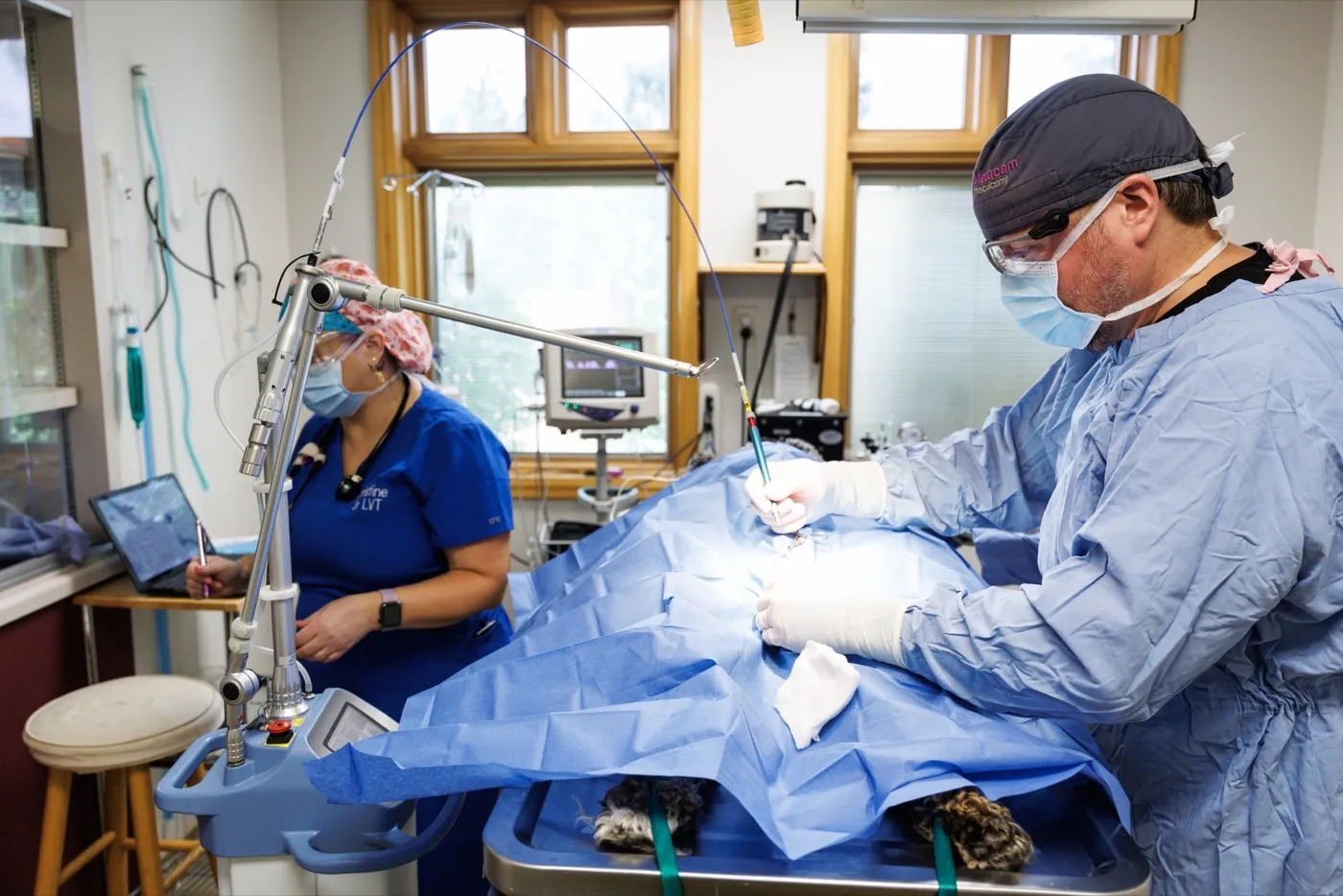
Surgery for dogs and cats at Cleary Lake
At Cleary Lake Veterinary Hospital, we provide a variety of surgical services for dogs and cats in a safe, compassionate, and well-equipped environment. Our veterinarians perform routine procedures such as spays and neuters, as well as mass removals and other procedures based on your pet’s individual needs. We also use a surgical laser for surgery that helps reduce bleeding, minimize swelling and discomfort, decrease tissue trauma, and may promote faster healing and recovery. Throughout your pet’s procedure, our veterinary team carefully monitors their condition and provides appropriate pain management and supportive care to help keep them as comfortable as possible.
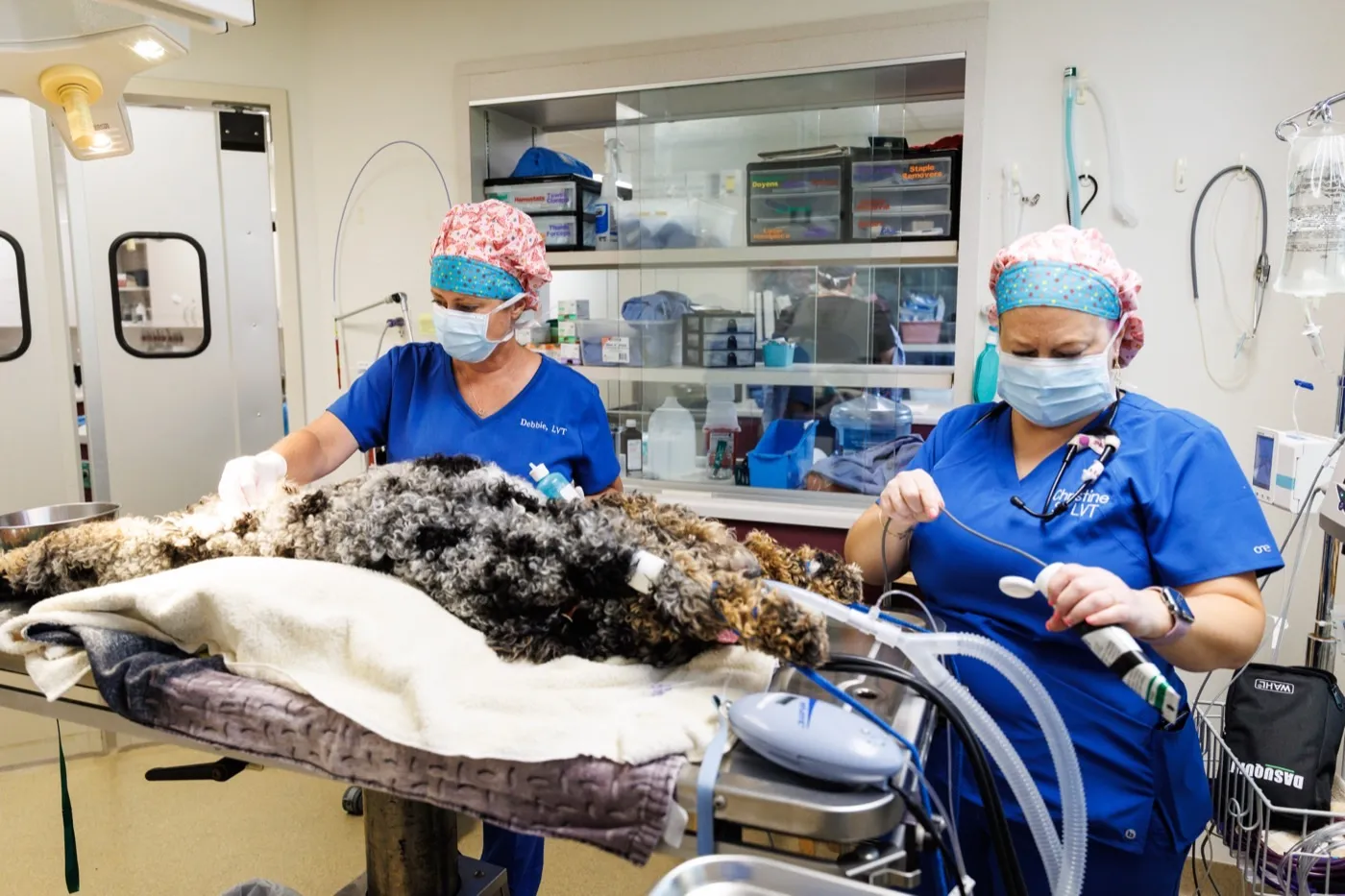
What to expect on your pet's surgery day
Before the procedure, we'll give you instructions for food, water and any medications your pet takes, and your veterinarian will go over the plan with you and answer your questions. On the day of surgery, your pet is placed under anesthesia, and our team monitors them closely throughout the procedure and into recovery.
Pain management is part of the plan from the start. Once your pet is awake and comfortable, we'll walk you through home care, including activity limits, how to check the incision and any medications to give. If anything seems off once you're home, give us a call.
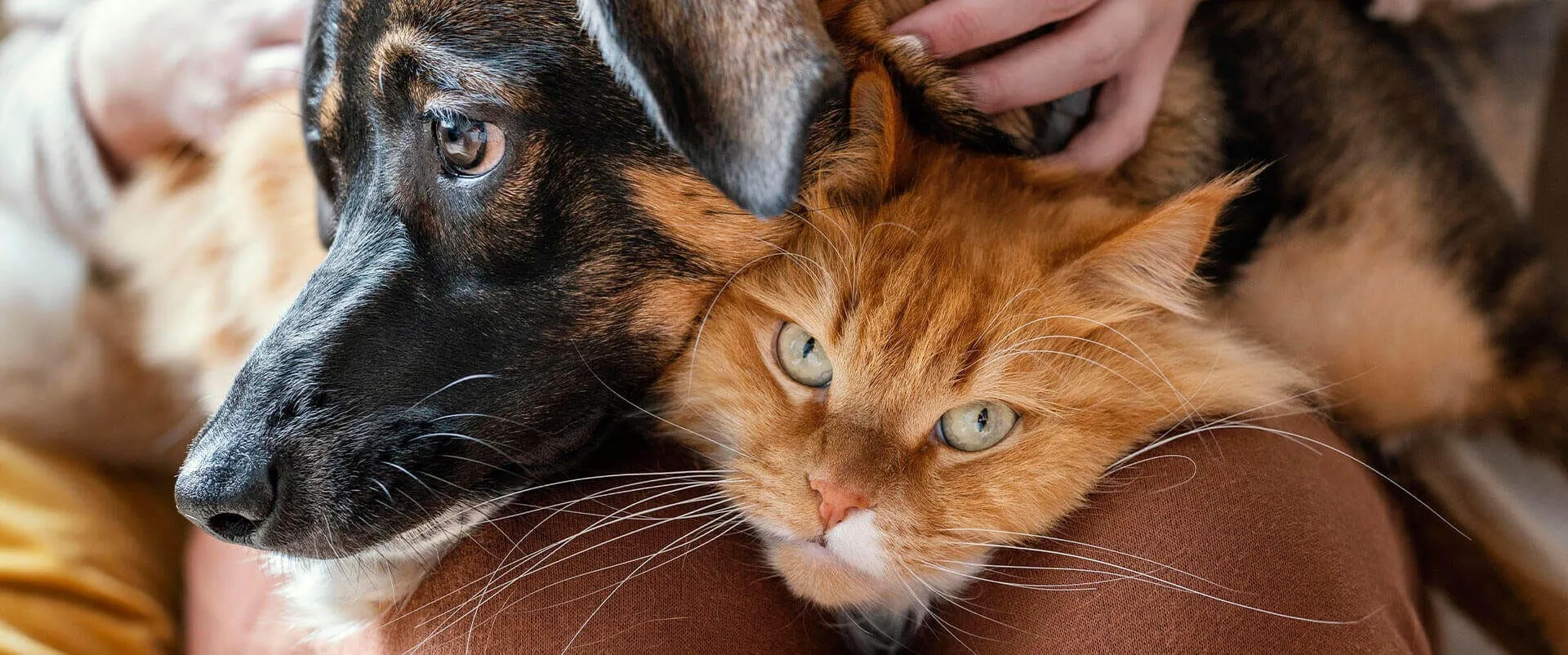
When might your pet need surgery?
Our veterinarians may recommend surgery for:
- Spaying or neutering your dog or cat
- Removing a lump or mass, especially one that is growing, changing or bothering your pet
- Other procedures based on your pet's individual needs
If you've found a new lump or your veterinarian has suggested a procedure, we're happy to talk through your options, what recovery will look like and what makes sense for your pet's age and health.
Talk with us about your pet's surgery
Have questions about an upcoming procedure, or ready to schedule a spay, neuter or lump removal? Call us at (952) 435-8387 and our team will help.
Surgery - FAQ
Should my dog's lump be checked or removed?
Skin growths can look very different from one another, so identifying them is best left to a veterinarian. A fine needle aspirate or biopsy can show whether a growth is benign or cancerous. For most tumors, surgical removal is the most effective option, while some benign growths that aren't causing problems may not need treatment. Source: Merck Veterinary Manual
What are the benefits of laser surgery?
As a surgical laser cuts, it seals small blood vessels, which reduces bleeding. It also seals nerve endings and lymphatic vessels, which can mean less pain and swelling after surgery, and it helps reduce the risk of infection at the incision. Your veterinarian will let you know whether the laser is a good choice for your pet's procedure. Source: Purdue University Veterinary Hospital
When should I spay or neuter my cat?
For kittens, spaying or neutering is generally recommended at three to six months of age, and females ideally before their first heat. Spaying early greatly lowers the risk of mammary cancer and prevents pyometra, a serious uterine infection. Neutering males reduces roaming, fighting and urine spraying. We'll also talk with you about the right timing for your dog. Source: Cornell Feline Health Center
How will my pet's pain be managed after surgery?
Pain medication is chosen based on the procedure, how much pain is expected and your pet's overall health. Giving medication on a regular schedule usually works better than waiting for signs of pain, and combining different types can improve comfort. Pets often sleep more for a few days after surgery, but if you can't wake your pet or they seem too sleepy, call us. Source: Merck Veterinary Manual
How is my pet monitored during anesthesia?
Veterinary anesthesia monitoring guidelines cover your pet's heart and circulation, breathing and body temperature, and they extend through the immediate recovery period, not just the procedure itself. Throughout your pet's surgery, our veterinary team carefully monitors their condition and provides supportive care to help keep them safe and comfortable. Source: American College of Veterinary Anesthesia and Analgesia


